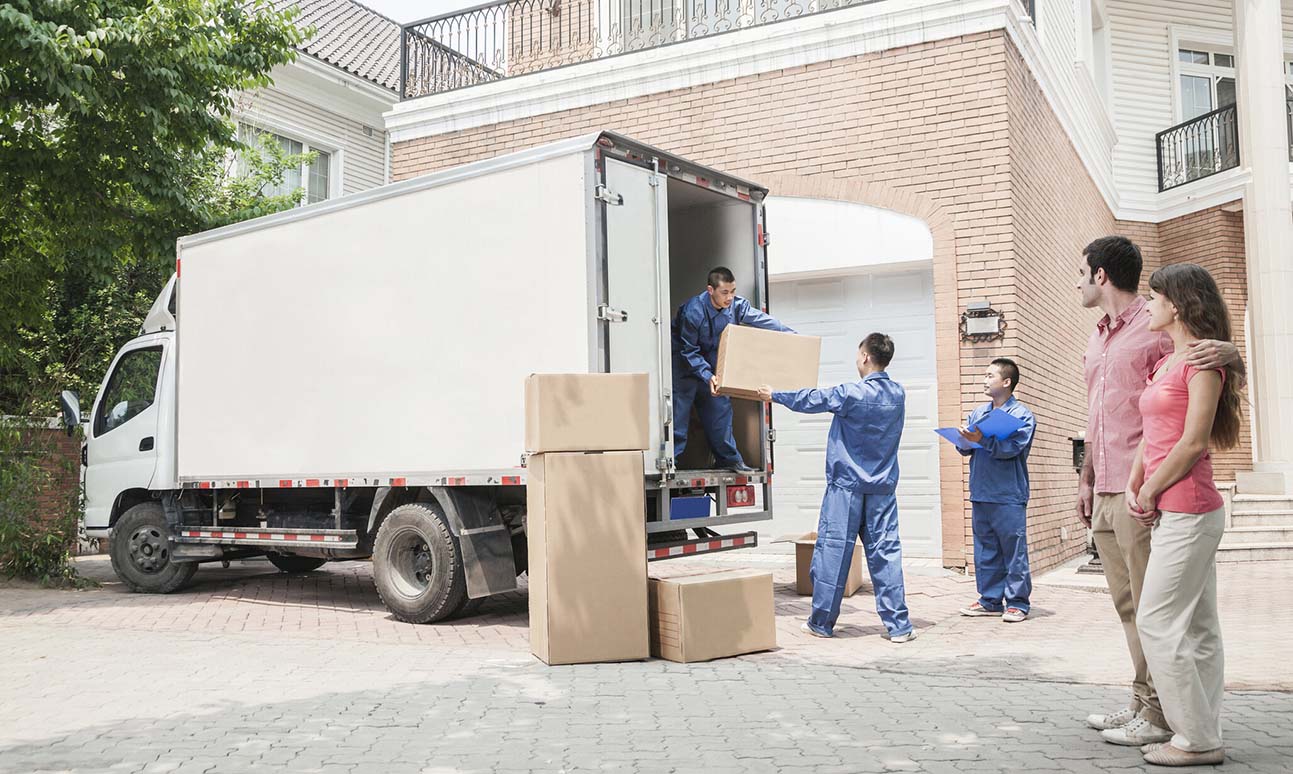
Moving can be an exciting journey filled with new opportunities and challenges. Meticulous planning, preparation, and execution are critical to a successful move.
Homeowners must organise to-do lists, sell or lease their new homes, and hire a reputable Tweed Heads removalist to do the heavy lifting. Moving not only requires effort, but it can also deplete your finances. Professional moving services, packing supplies, transportation costs, storage fees, insurance, cleaning, and repairs can drain your budget.
Key Takeaways
- Careful planning and budgeting help control moving expenses and prevent unexpected costs during relocation.
- Decluttering before packing reduces the number of items to transport, which can significantly lower moving costs.
- Moving during off-peak periods or mid-week can reduce removalist fees due to lower demand.
- Using second-hand or free packing materials can minimise expenses on boxes and packing supplies.
- Packing efficiently and using household items like towels or suitcases can reduce packing material costs.
- Tracking moving expenses and planning meals or supplies in advance helps keep the relocation within budget.
You can avoid this trap by following our smart tips for moving house on a budget. This blog enables you to plan a cost-effective move and enjoy a smooth transition to your new home.
What Are The Biggest Moving Costs?
Moving requires time, effort, and money. Understanding the highest moving costs allows homeowners to organise and stick to a moving budget and enjoy a seamless move.
- Professional removalist services: Hiring professional movers is often the biggest expense. However, not all removalists charge the same prices. Their fees depend on the distance, the move’s complexity, and extra services (packing, unpacking, and furniture dismantling/assembly).
Consider only experienced Gold Coast furniture removalists who charge fair prices and accurate quotations with no hidden charges. Contractors with a proven track record often provide excellent service and value for money.
- Packing supplies: Moving boxes, packing tape, bubble wrap, and fragile item kits can increase costs, especially for large, long-distance moves.
- Transportation costs: Long-distance moves require constant refuelling, so you must delegate expenses for petrol. Tolls, parking permits, and mileage fees can also drive up transportation expenses.
- Storage fees: Long-term, climate-controlled storage can cost more, especially for valuable items.
- Moving insurance: Although full coverage can be costly, it can protect against loss or damage and deliver long-term peace of mind.
- Temporary accommodation: If your new home isn’t move-in ready, you may have to pay extra for short-term rentals.
- Utility setup and disconnection fees: Disconnecting, reconnecting, or transferring electricity, water, gas, and other utilities add to your moving expenses.
- Cleaning and repairs: Old homes often require professional cleaning to attract new buyers or tenants and ensure a smooth transition.
Smart Strategies for Cost-Effective Moves
Taking action ensures an efficient move and allows you to stay within your budget. These cost-effective strategies include:
- Plan ahead of time: Planning early can significantly reduce moving costs. As a reputable Gold Coast local removalist with over a decade of industry experience, we understand that clients experience unexpected last-minute expenses, such as extra packing materials and moving boxes. Many customers also eat out often to enhance convenience just before their move, increasing costs further.
Starting early allows you to collect affordable or free moving supplies. Organising your things early also gives you an idea of how many extra packing materials you need and allows you to stay within your budget.
- Eliminate unnecessary items: Fewer items significantly enhance convenience and reduce moving costs. These strategies allow you to achieve that goal:
- Sell items on Facebook Marketplace, eBay, or other reputable online platforms.
- Organise a garage sale to dispose of old clothes, toys, fixtures, and appliances that increase moving costs.
- Donate items to charities, churches, or non-profit organisations in your local area. You can also donate extra food to a local food bank.
- Dispose of or recycle unnecessary items, such as old bills, invoices, receipts, magazines, newspapers, folders, disposable plates, cutlery, phones, chargers, old laptops, toys, games, and outdated rugs, curtains, or linens.
- Gather the appropriate supplies: In Australia, homeowners can buy packing supplies from popular retailers and specialty stores, such as Bunnings Warehouse, Officeworks, or Kmart Australia. If you’re moving on a limited budget, we recommend buying used boxes on Facebook Marketplace or eBay instead.
Alternatively, you may have new neighbours looking to dispose of their recently used moving boxes, which can be useful for your relocation. At Richards Removals & Storage, we offer a wide range of affordable box sizes for local or long-distance moves.
- Use your existing materials: Sometimes, you can find the things you need in your own home.
Consider using towels, linens, gym bags, suitcases, used boxes, rubbish bags, and canisters for your move. These items not only make your move easier, but they also make it more affordable.
- Consider self-packing: Unfortunately, some contractors charge steep prices for their packing and unpacking services, potentially straining your wallet.
For this reason, consider packing your items yourself. This strategy allows you to pack your things your way and makes the process easier for your removalists.
It’s important to note that self-packing offers no protection against loss and damage. For this reason, proper packing techniques are essential. If you’re unsure about these strategies, hiring a cost-effective removalist offering insurance coverage delivers long-term peace of mind.
- Hire an experienced removalist: Unfortunately, shady contractors offer deceiving quotations to cut corners and earn a quick buck. Worse, they include hidden charges and ask for prices based on the duration of the local move. Inexperienced movers often take longer to shift your items and can even damage or lose them.
You can avoid this scenario by hiring an affordable, experienced removalist. Consider only those contractors with a proven track record and a positive reputation. Ask for referrals from family and friends and read online reviews. Thorough research saves you not only money, but also time and effort.
- Move on a weekday or during the off-peak months: Scheduling a move during the busy months can drain your finances. In Australia, the ideal off-peak season is usually late autumn through winter, from May to August.
Removalists often have better availability and sometimes offer more affordable rates during this period. You can lower your moving costs by booking on a weekday instead of a weekend when demands are often higher.
- Prepare for your removalists: It’s important to note that removalists charge by the hour. Cluttered hallways and disorganised items can delay the process and increase costs.
Meticulous preparation is the key to staying within your moving budget. Label each box and place them in every room, allowing your movers to pack your items correctly. Clear all pathways and entryways to prevent delays, eliminate safety hazards, and ensure a cost-effective move.
Conclusion
Moving to a new home doesn’t have to be expensive. Understanding the highest moving costs and taking proactive steps, including meticulous planning, disposal of unnecessary items, the right moving materials, self-packing, off-peak season moves, and an experienced removalist, allows you to stay within your budget and enjoy a seamless life transition.
Allow Richards Removals & Storage to do the heavy lifting for you. Since 2015, we have helped numerous Australian customers relocate to their new homes. Book an appointment today to receive a personalised quotation and discover affordable, game-changing removalist solutions.